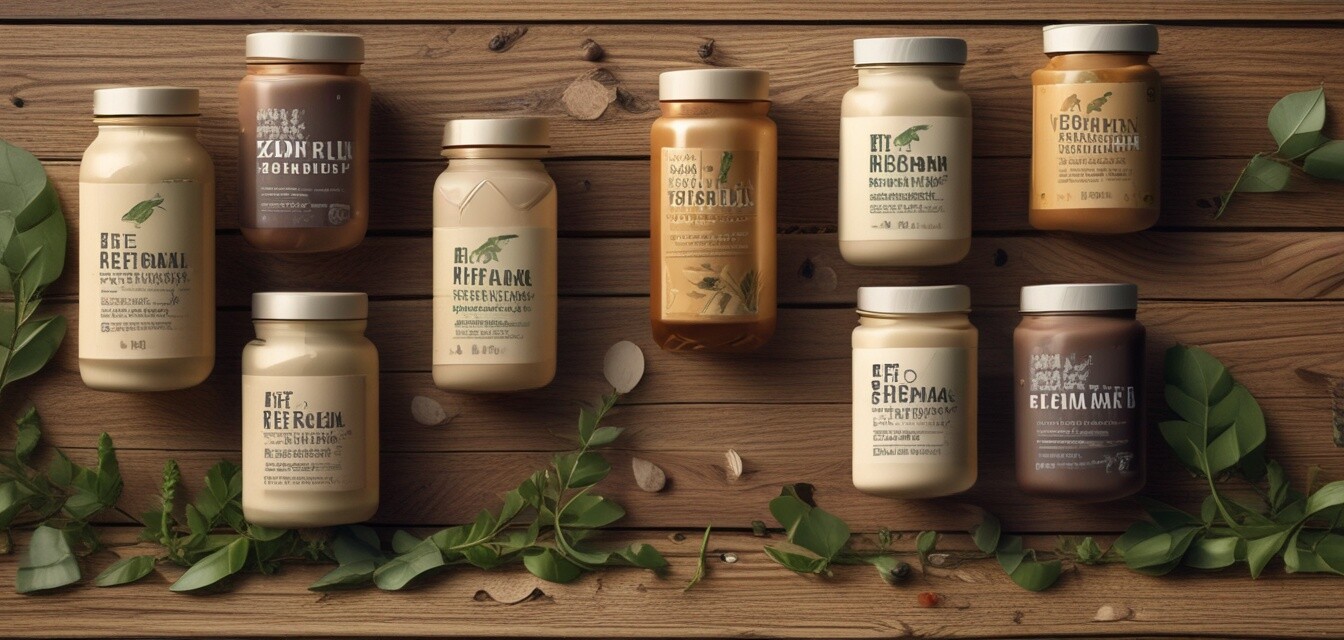
Eco-Friendly Packaging in the Supplement Industry
Key Takeaways
- Eco-friendly packaging reduces environmental impact and waste.
- Sustainable practices can elevate brand reputation and consumer trust.
- Innovative materials, such as biodegradable films and recycled papers, lead the industry.
- Strong government regulations are emerging to encourage sustainable practices.
- Investing in eco-friendly packaging can enhance customer loyalty.
The supplement industry is increasingly recognizing the importance of eco-friendly packaging. As consumers become more environmentally conscious, brands are adapting by using sustainable materials and practices. In this article, we will explore what eco-friendly packaging entails, its benefits and significance, as well as future trends in the supplement industry. Let's dive in!
What is eco-friendly packaging?
Eco-friendly packaging refers to materials and processes that are environmentally responsible and sustainable. This type of packaging minimizes waste, conserves resources, and reduces pollution. In the context of dietary supplements, eco-friendly packaging can include recyclable, biodegradable, and compostable materials that are safe for the environment.
Benefits of eco-friendly packaging in the supplement industry
Choosing eco-friendly packaging not only benefits the environment but also positively impacts businesses. Here are some key advantages:
Pros
- Decreases carbon footprint
- Enhances brand image
- Meets consumer demand for sustainability
- Encourages recycling and responsible disposal
- Can reduce costs over time through material efficiency
Cons
- Higher upfront costs in some cases
- Limited options for specific products
- Potential challenges in product preservation
Types of eco-friendly packaging used in supplements
There are several types of eco-friendly packaging currently utilized in the supplement industry. Below is a table outlining the main types along with their features:
| Packaging Type | Material | Key Features |
|---|---|---|
| Recyclable Bottles | HDPE, PET | Widely accepted and reused in material cycles |
| Compostable Packaging | PLA, Paper | Breaks down naturally in composting systems |
| Biodegradable Films | Starch-based materials | Enviro-friendly and decomposes without leaving toxins |
| Glass Containers | Glass | Recyclable and reusable; non-toxic |
| Recycled Paperboard | Recycled paper | Reduced virgin material usage; recyclable |
Consumer perception of eco-friendly packaging
Research indicates that consumers are increasingly choosing products based on their packaging. Many shoppers consider eco-friendly packaging a crucial factor when selecting dietary supplements. Here's a quick look at consumer trends:
- 70% prefer brands with sustainable practices.
- 53% would pay more for products with eco-friendly packaging.
- 82% feel better about products when they see sustainable packaging.
Future trends in eco-friendly packaging
The future of eco-friendly packaging in the supplement sector is promising. Here are some predicted trends:
- Increased use of smart packaging for better tracking and sustainable certifications.
- Biotechnology advancements leading to innovative sustainable materials.
- Stricter regulations and guidelines promoting eco-responsibility.
- Growing focus on reducing plastic waste in packaging processes.
For brands wanting to stay competitive, it is crucial to adopt these sustainable practices early on. Adopting eco-friendly packaging not only meets consumer demands but can also align with governmental initiatives aimed at reducing waste.
Examples of brands leading the change
Several brands in the supplement industry are at the forefront of utilizing eco-friendly packaging. These organizations not only showcase their commitment to sustainability but also set examples for others. Here are a few notable mentions:
| Brand | Sustainability Feature | Website |
|---|---|---|
| Brand A | 100% recyclable packaging | Brand A's eco-packaging |
| Brand B | Plant-based and biodegradable containers | Brand B's sustainable practices |
| Brand C | Minimalistic packaging made from recycled materials | Brand C's commitments |
Conclusion
In conclusion, eco-friendly packaging plays a vital role in shaping the future of the supplement industry. As sustainability continues to gain importance among consumers, brands that prioritize eco-friendly options will establish an edge in the market. For more tips on sustainable health practices, visit our pages on Gluten-Free Supplements, Plant-Based Supplements, and Sustainably Sourced Minerals.
Tips for choosing eco-friendly packaging
- Research the material origins and production processes.
- Look for certifications that verify sustainable practices.
- Consider the lifecycle of the packaging and disposal options.
- Evaluate the impact of packaging on product shelf life.
- Engage with brands that align with your values and promote transparency.